
Whoa! This whole wallet thing feels messy sometimes. Most people I meet want two things: control and simplicity. They want to hold private keys without needing a PhD. But here’s the rub—control usually complicates the UX, and simplicity often means giving up custody.
Seriously? Yes. At first glance a multi-chain wallet looks like a shiny convenience: one app, many chains, one place for everything. My instinct said that sounded perfect, and I dove in. Initially I thought more chains simply meant more opportunities, but then realized the real cost is complexity at the key-management layer. On one hand it’s liberating to interact with Ethereum, Solana, and Cosmos from the same interface; though actually—each chain has different signing schemes and security models, which changes everything.
Wow! Let me be blunt—private keys are the single factor that truly defines custody. If you hold the seed, you hold the coins. Period. That means any multi-chain wallet needs a robust key derivation strategy so that one seed can safely produce addresses for many different blockchains without leaking attack surface. Practically speaking, HD wallets, path management, and chain-specific derivations are not sexy topics, but they are critical.
Okay, so check this out—non-custodial doesn’t mean “no support.” It means you, not a third party, control the private keys, while the wallet provides sane UX and guardrails. I like hardware wallet integration for that reason. Pair a hardware device and you drastically reduce online key exposure, even when you use a phone app to manage accounts. I’m biased toward hardware-first flows, but I get why many prefer mobile-only setups for speed and convenience.
Hmm… Here’s what bugs me about many wallets: they promise multi-chain access but fail to explain trade-offs. You click “Connect” and assume all is well. Then you find out one chain uses Ed25519 keys, another uses secp256k1, and a third has account abstraction quirks. Developers sometimes mask those differences, but the mismatch surfaces when signing transactions or recovering your wallet on a different client.
Whoa! So what’s the realistic model for key safety? Use a seed phrase with an appropriate derivation path, back it up securely, and consider multisig for high value holdings. For midsize balances, social recovery or threshold signatures can provide strong safety with friendlier UX. Larger treasuries? Go multisig with hardware. These are patterns I’ve used in production, and they work—though the setup can be clunky at first.
Seriously, staking changes the calculus. Staking ties your assets to on-chain validation and typically requires long-term commitments. It’s not just “lock and forget.” Validators can be slashed, rewards compound, and some chains need unbonding periods that can be days or weeks. So a wallet that supports staking must show clear slashing risk, unbonding windows, expected APR, and delegation controls.
Whoa! I remember delegating tokens without reading the unbonding fine print—yeah, rookie move. My account was caught mid-air during a market dip and that part bugs me to this day. If a wallet is going to offer staking, it should let you set stake weights, split stakes across validators, and auto-comply with restaking strategies while keeping private keys offline if you choose. That balance—security plus automation—is the sweet spot.
Wow! Let’s talk about UX and security trade-offs. A wallet that aims to be everything risks being nothing. Too many chains, too many features, and the UI becomes confusing. Yet the market demands simplicity. Designers need to craft flows that hide complexity but surface the risky bits—like when you’re delegating locked tokens or approving contract allowances. Good warning copy matters; bad copy is worse than none.
Okay, so check this out—how do wallets manage contract approvals safely? Some wallet vendors add allowance caps, recurring approval blockers, and one-click revocation tools. Those are useful. But allow me to be honest: many users still approve 100% allowances out of habit. That practice is very very dangerous, especially across multiple chains where bridges and wrapping contracts multiply risk.
Whoa! Now a practical note about bridges and cross-chain composability. Bridges are useful, but they are frequent attack vectors. When a wallet supports bridges, it should make the trust model explicit. Who holds the wrapped asset? Is there slashing or insurance? Are relayers centralized? All of this affects whether your private keys are enough to guarantee safety, or if you’re implicitly trusting custodians behind the bridge.
Hmm… On the topic of recovery: social recovery, multisig, and seed-splitting each have pros and cons. Social recovery improves usability for newcomers while preserving non-custodial status, but it introduces trust assumptions among guardians. Multisig is great for teams and DAOs, but it’s heavier for personal use. Seed-splitting reduces single-point failures, though it complicates recovery. My recommendation depends on threat model and asset size—no single fix fits everyone.
Whoa! For folks building a mental checklist: 1) Where are your private keys stored? 2) Does the wallet support hardware signing? 3) Can you stake directly or must you use a third-party service? 4) Are approvals granular? 5) How is cross-chain signing handled? Keep that list near your onboarding process.
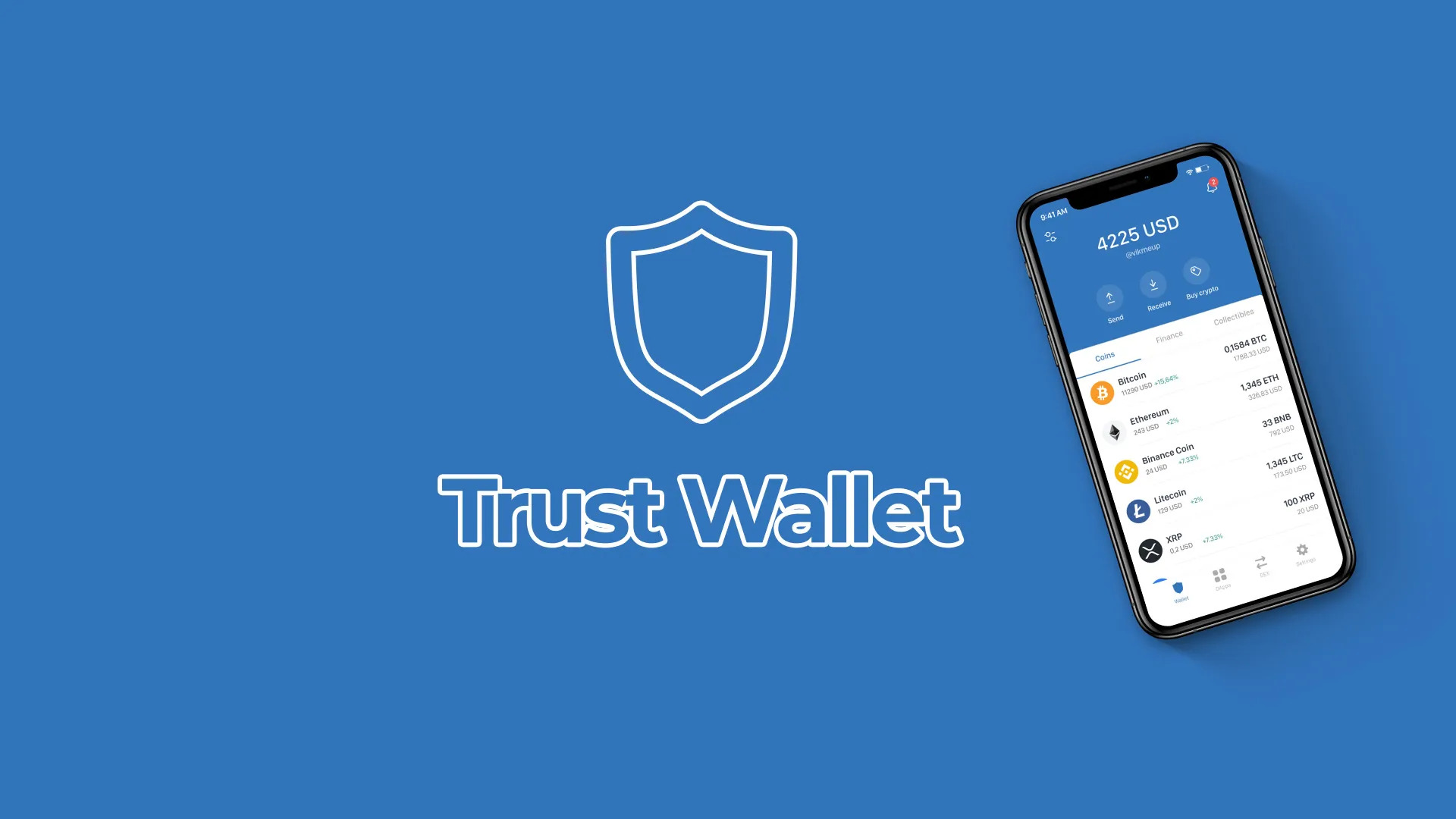
Okay, one real-world suggestion: try a wallet that treats security as a first-class citizen while still being multi-chain and staking-ready. I recently tested several clients and found one that balanced these needs without being obnoxiously complex—truts wallet. It integrates hardware signing, shows staking risks, and makes recovery options clear. Not perfect, but a solid start if you want non-custodial control across chains.
I’ll be honest—I’m not 100% sure any single wallet is the final answer. New chains add new cryptography and unexpected edge cases. But the right wallet will be transparent about its limits, provide hardware and multisig support, and let you manage staking with clear risk indicators. Those are the must-haves for anyone serious about holding assets long-term.
Wow! Final practical tips that have helped me: backup your seed in multiple forms, practice a dry-run recovery, limit allowances, and split high-value funds into cold storage. Also, keep small balances for frequent use and larger amounts in a hardened setup. These small habits turn one-time mistakes into survivable incidents.
A few specific features to demand from any modern wallet
Whoa! Make sure it supports hardware-backed signing, clear derivation path management, staking dashboards with unbonding info, granular contract approvals, and a recovery strategy you understand. Seriously—don’t ignore the little toggles that lock allowances. My instinct said “security theater” sometimes, but in practice these toggles stop real losses.
FAQ
How does a multi-chain wallet manage different private key schemes?
Short answer: through careful key derivation and signing adapters. Longer answer: the wallet typically uses an HD seed and then applies chain-specific derivation paths plus signing modules (secp256k1, Ed25519, etc.). Good wallets expose which path they’re using and let advanced users customize it. If you’re not sure, test recovery on a second client before moving funds.
Is staking safe if I keep my keys on a mobile device?
Depends. Mobile-only keys increase attack surface versus using a hardware wallet. For small stakes, mobile may be acceptable, though I recommend enabling extra layers like PIN, biometric locks, and app-level confirmations. For meaningful sums, use hardware signing or multisig to reduce risk; it’s worth the small extra effort.
What about recovery—seed phrase, social recovery, or multisig?
There’s no one perfect option. Seed phrases are simple but a single point of failure. Social recovery improves usability but adds trusted parties. Multisig gives excellent security for teams and high-value wallets but increases complexity. Choose based on your threat model and comfort level, and do a recovery drill at least once.